

The world is changing fast. People want buildings that save energy and protect the planet. Net-zero and low-energy buildings are no longer a dream. They are becoming the standard in modern architecture. This change comes from growing concerns about climate change and rising energy costs.
Passive House design leads this movement. The Passive House concept started in Germany over 30 years ago. Its main goal is simple: create buildings that use very little energy. Passive House buildings offer comfort and healthy indoor air. They also cut heating and cooling bills to almost nothing.
Certified Passive House designers make this vision a reality. They do more than follow basic green building ideas. They use tested methods and proven tools. They design homes and buildings that meet strict energy targets.
Clients, builders, and developers should care because certified designs bring peace of mind. These designs guarantee comfort, savings, and true sustainability.
At Noades Architects, we help clients achieve these high standards through certified Passive House design.
This blog will explain why certification matters and help clients, builders, and developers make smart choices for long-term value.
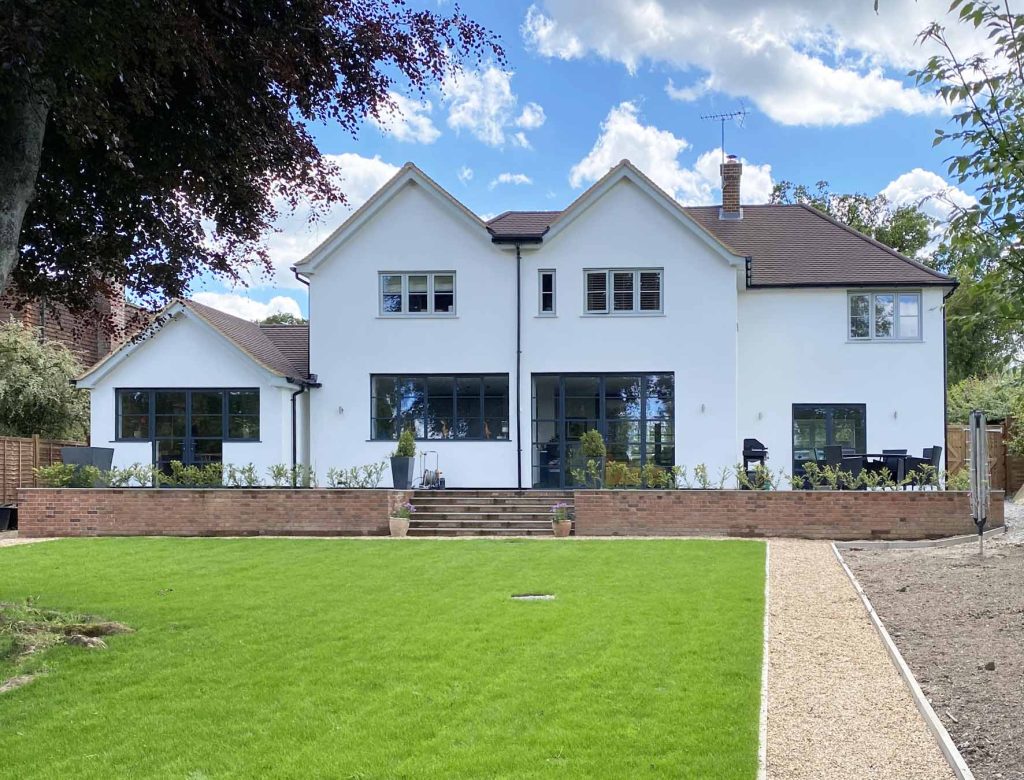
Passive House vs Traditional Build
Feature | Traditional Building | Passive House Design |
Energy Use | High | Ultra-low |
Insulation Levels | Standard | Exceptionally high |
Airtightness | Low | Very high (≤ 0.6 ACH) |
Thermal Bridges | Often present | Minimised or eliminated |
Indoor Air Quality | Varies | Constant, filtered air |
Heating/Cooling Requirement | Significant | Minimal or none |
Design Standard | Vague or variable | Strict, measurable |
Cost Over Time | Higher (due to energy bills) | Lower (energy savings) |
Passive House Design Principles (Core Foundations)
Passive House design follows five key principles. Each one helps cut energy use and boost comfort. Certified passive house designers apply these principles with care.
Super-insulation for minimal heat loss
Certified designers use thick insulation in walls, roofs, and floors. This stops heat from escaping. In winter, the home stays warm with little heating. In summer, it stays cool without much air conditioning. The result is lower bills and steady comfort.
Airtightness
Certified designers create airtight buildings. They seal every joint, crack, and gap. This keeps heat inside and drafts out. A blower door test proves the airtightness. The test shows if the home meets Passive House targets. Without airtightness, energy savings are lost.
Thermal-bridge-free detailing
Cold spots waste energy and harm comfort. Designers plan every detail to avoid them. They stop heat leaks at junctions, corners, and edges. This also prevents moisture problems that can damage buildings.

High-performance windows
Passive House windows have triple glazing. They let in light but block heat loss. Their frames also stop drafts and leaks. These windows make rooms brighter, warmer, and quieter.
Mechanical ventilation with heat recovery (MVHR)
The MVHR system brings in fresh air. It recovers heat from stale air before it leaves. This keeps the home fresh and saves energy. It also cuts dust and pollen indoors.
How these work together
These features work as one system. They slash heating and cooling needs. They create steady, healthy indoor comfort.
Certification vs. Designing to Principles
Passive House principles vs. certified Passive House
Some designers say they follow Passive House principles. But they do not always seek certification. This means their buildings might not meet full Passive House standards.
A certified passive house designer takes extra steps. They prove the design meets all the strict targets.
Added value of certification
Certified designers use PHPP software. This tool models and checks energy use before building starts.
Independent experts test the building after construction. They confirm airtightness, ventilation, and thermal performance.
The project earns an official Passive House seal. This proves it meets global standards. Buyers can trust these results.
Why certification gives peace of mind
Certification shows that no shortcuts were taken. It means real performance, not empty claims.
Risks of principle-only builds
Designers who skip certification can miss problems. Tiny gaps or cold spots may waste energy. Owners may not get the comfort or savings they expect.
Certification protects buyers. It proves that the building will perform as promised.
The Certified Designer’s Process and Expertise
Detailed PHPP modelling
Certified passive house designers use PHPP software. This tool gives precise energy models. They do not rely on guesses or rough rules. PHPP predicts how the building will perform. It helps designers fine-tune the plan for the best results.
Coordination of all parts
Designers work with architects, engineers, and builders. They ensure every part of the building fits the plan. They check walls, windows, and systems like heating and cooling. This keeps the design on track.
Thermal bridge analysis
Designers look for spots where heat could leak out. They use tools like THERM and WUFI. These tools find cold spots and help stop them.
Airtightness and precise details
Certified designers plan for airtightness from the start. They choose the right materials. They draw up clear details for builders to follow.
On-site quality checks
Designers do not just hand over drawings. They visit the site. They check blower door tests and air flow rates. They make sure the building meets standards.
No performance gaps
These steps stop mistakes before they happen. They ensure the building performs as planned.
From concept to certification
Certified designers stay involved from first sketch to final test. They guide the whole process. They help the client get full certification.
Certification Pathways & Credentials
Several groups offer Passive House certification. The main ones include PHI in Germany and PHIUS in the USA. The Passive House Trust manages certification in the UK. iPHA and Passive House Canada also support certified designers.
Certified passive house designers complete special training. They learn how to use PHPP software. They pass a tough exam. This proves they can design buildings to meet Passive House standards.
Certified designers must keep learning. They take part in ongoing training and workshops. This keeps their skills up to date.
There are different Passive House roles. A certified designer creates the energy model and design details. A consultant offers advice on Passive House principles. A certified tradesperson focuses on building to the standard.
Clients should check the designer’s credentials. This helps ensure a true Passive House result.
Benefits for Clients & Stakeholders
Guaranteed energy performance
Certified passive house designers promise low energy use. Space heating demand stays under 15 kWh/m² per year. This cuts energy bills and lowers carbon emissions. Owners enjoy real savings without sacrificing comfort.
Superior indoor air quality and comfort
Passive House buildings provide fresh, filtered air all day. The MVHR system keeps air clean and healthy. Even in extreme weather, homes stay warm or cool as needed. People inside feel comfortable and safe.
Enhanced resilience
Passive House buildings stand strong during harsh weather. They protect owners during heatwaves or cold snaps. Energy price spikes cause less worry. These homes need little heating or cooling to stay comfortable.
Lower operating costs
Passive House owners pay much less for heating and cooling. Savings add up over the life of the building. This makes Passive House a smart long-term investment.
Higher resale value
Certified Passive House buildings attract buyers. The certification seal adds trust and value. Buyers know they will get energy savings and comfort. This can raise the resale price.
Access to green finance
Owners of certified Passive House buildings can apply for green mortgages. Many projects also qualify for grants and energy incentives. These help lower upfront costs and make projects easier to fund.
Certified passive house designs give clients lasting value, comfort, and peace of mind.
Challenges and Considerations
Certified Passive House projects can cost more at the start. Owners can pay 10 to 20 percent more upfront, with an average Passive House costing 8% more than a standard new UK home. But these costs are usually repaid through energy savings over time.
The process needs skilled tradespeople. Builders must follow details exactly. Small mistakes can lower the building’s performance.
Passive House design may limit some design choices. But certified designers often find smart, creative solutions. They balance style and energy goals.
In some regions, material supply or skilled workers may be harder to find. This can slow down projects. But more places now train Passive House experts. Supply chains are improving each year.
Clients should plan for these challenges. The long-term rewards make the effort worth it.
How to Choose the Right Certified Passive House Designer
Start by checking the designer’s certification. Look them up in official Passive House databases. Ask to see completed Passive House projects. Make sure the buildings are fully certified.
Discuss how they use PHPP software. A good designer will explain their energy modelling process.
Ask about their thermal bridge strategy. They should know how to spot and fix cold spots.
Review their quality checks. The designer should plan blower door tests and ventilation balancing.
Good designers communicate clearly. They work closely with clients, builders, and other experts.
Choose someone who shares updates often. You want a designer who stays open and honest.
The right certified passive house designer brings skill, care, and teamwork. They help you build a home that performs as promised.
Future Trends in Passive House and Certified Design
Passive House adoption is growing fast. More countries now include it in building policies.
Designers now link Passive House with embodied carbon tracking. They look at the full carbon impact of materials.
Large-scale Passive House buildings are becoming common. We see more offices, schools, and high-rise projects using this standard.
New innovations are shaping design. PHPP v10 offers better tools for modelling. New materials improve performance and cut carbon.
Designers now plan for climate extremes. Adaptive design helps buildings handle heatwaves, floods, and storms.
These trends show Passive House is here to stay. Certified passive house designers will keep leading the way.
Conclusion
Certified passive house designers deliver results you can trust. They do not just talk about sustainability. They prove it through tested designs and real data.
Certified passive house designers deliver results you can trust. They do not just talk about sustainability. They prove it with data and real performance.
Passive House certification shows a building meets strict energy and comfort standards. It means no shortcuts and no empty promises.
Certified designers use clear processes and advanced tools. They guide projects from the first sketch to the final test. Their work protects your investment and the environment.
Choosing a certified passive house designer means choosing peace of mind. Your building will perform as planned and save energy for years.
Ready to Build a Future-Proof Passive House?
At Noades Architects, we help clients design and deliver certified Passive House projects. We guide you from the first idea to full certification. Whether you plan a home, a school, or a commercial building, our expert team is here to help.